

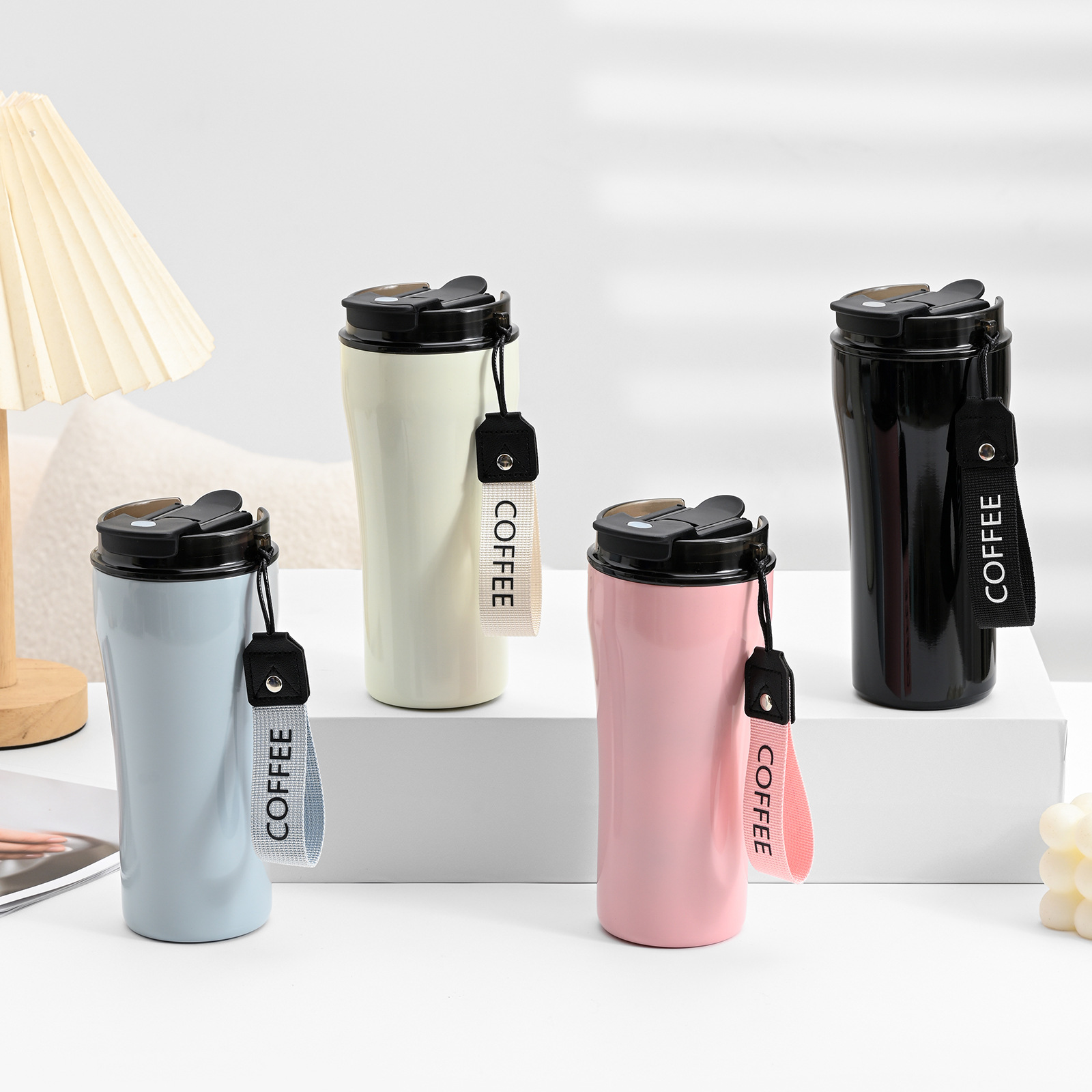
- Aluminum bottles are usually lighter, so they suit gyms, schools, cycling, and promotional drinkware programs.
- Steel bottles are usually stronger, so they suit rugged outdoor use and long service life.
- Food-contact safety depends on lining, testing, and factory controls, not only on the base metal.
- A qualified supplier should help buyers compare weight, coating, cost, branding, and compliance before ordering.
Aluminum and steel bottles both work for reusable drinkware, but the better choice depends on the buyer’s use case. Aluminum is commonly chosen when low weight, color finishing, and promotional value matter most. Steel is commonly chosen when dent resistance, insulation options, and premium durability matter most. For brands sourcing from an aluminum sport bottle manufacturer, the key question is not simply which metal is “better,” but which material matches the selling channel, target user, safety requirements, and budget. Because each material changes weight, finish, and cost, therefore buyers should compare specifications before confirming a design.
Fact One: Weight Changes the User Experience
Aluminum bottles are generally easier to carry during daily sports, commuting, and school use. This matters when the bottle is clipped to a backpack, packed in a bicycle cage, or handed out as event merchandise. A lighter bottle can feel more convenient for repeat use, which helps brands increase customer satisfaction after purchase.
Steel bottles usually feel more solid in the hand. That extra weight may support a premium impression, especially for retail, outdoor, and corporate gift programs. However, buyers should test filled samples, not empty samples only, because the real user experience changes after liquid is added.
Fact Two: Durability Depends on the Expected Environment
Steel is often preferred for harsh travel, camping, and jobsite conditions because it can handle rough handling well. Aluminum can also perform reliably, but it is more likely to dent if dropped on hard surfaces. Because impact risk rises in outdoor and youth markets, therefore buyers should match the bottle wall, cap system, and coating to the usage scenario.
Fact Three: Safety Comes from Process Control
Buyers should not judge safety by metal name alone. A dependable supplier should manage inner coating quality, material traceability, migration testing, and packaging cleanliness. You can review available drinkware categories on the Sunsum products page, learn more about factory capability on the Sunsum about page, or request project guidance through the Sunsum contact page.
Part 2: Market Overview, Statistics, and Industry Data
The reusable bottle market is no longer a niche outdoor category; it is now shaped by fitness, school, corporate gifting, travel, and sustainability programs. According to Grand View Research, the global reusable water bottle market was valued at USD 10.05 billion in 2023 and is expected to grow at a 4.4% CAGR from 2024 to 2030. This growth matters to every buyer comparing aluminum and steel, especially when selecting an aluminum sport bottle manufacturer for volume orders.
Demand is also being pushed by concerns over single-use packaging. Statista reports that bottled water remains one of the largest beverage categories worldwide, with global revenue measured in the hundreds of billions of U.S. dollars annually. Because consumers are still buying hydration products daily, therefore reusable bottles have become a practical replacement category rather than only an eco-friendly statement.
| Market Factor | Aluminum Bottles | Steel Bottles |
|---|---|---|
| Typical buyer segment | Aluminum bottles are popular for sports, promotions, schools, and lightweight outdoor use. | Steel bottles are popular for premium retail, insulated drinkware, and long-use personal hydration. |
| Weight advantage | Aluminum usually wins when buyers prioritize low carrying weight. | Steel usually feels stronger but adds more weight to the product. |
| Cost positioning | Aluminum can support competitive pricing for large promotional campaigns. | Steel often supports a higher retail price when insulation or premium finish is required. |
Recycling data also influences purchasing decisions. The U.S. Environmental Protection Agency tracks materials recycling and identifies metals as important recoverable materials in the waste stream. The Aluminum Association notes that aluminum is highly recyclable and can be repeatedly recycled without losing inherent material quality. Because aluminum has strong recycling value and a lighter transport profile, therefore many brands choose it for events, gyms, and youth sports programs where unit weight and sustainability messaging both matter.
For buyers, the market signal is clear. Aluminum is strongest where lightweight handling, decoration flexibility, and bulk affordability matter. Steel is strongest where insulation, perceived durability, and premium positioning matter. A smart sourcing decision starts with the product’s selling channel, not only with the metal itself.
Part 3: Key Requirements, Standards, and Regulations
When choosing an aluminum sport bottle manufacturer, buyers should look beyond price and capacity. Compliance affects market access, retailer approval, and long-term brand risk. Aluminum and steel bottles may look similar, but their testing paths can differ depending on coating, insulation, lid materials, and intended country of sale.
| Compliance Item | Aluminum Bottles | Steel Bottles |
|---|---|---|
| Food-contact safety | Requires liner/coating migration tests if inner surface is coated | Usually tested for stainless-steel migration and lid components |
| Thermal performance | Common for single-wall sports bottles | Common for vacuum-insulated bottles |
| Surface durability | Coating adhesion and corrosion resistance are critical | Scratch, rust, and passivation checks are important |
| Retail documentation | FDA, LFGB, EU 1935/2004, Prop 65 may apply | Same core documents, plus insulation performance claims if marketed |
Common standards and certification references include UL, ETL via Intertek, CE, and CB Scheme等. Although UL, ETL, CE, and CB Scheme are more often linked to electrical appliances, they may still matter if your bottle project includes electronic lids, UV sterilization caps, warming bases, or smart temperature displays. Factory environments may also reference ventilation and HVAC guidance from ASHRAE.
Because food-contact rules focus on chemical migration, therefore a low-cost coating without verified test reports can block shipment or trigger recalls. Buyers should request current lab reports, material declarations, coating specifications, and batch traceability before mass production.
Because different markets apply different limits for metals, BPA, phthalates, and labeling, therefore one “global certificate” is rarely enough for serious retail programs. The main compliance challenges include expired reports, mismatched supplier names, untested replacement lids, colorants not covered by previous tests, and unclear responsibility for Prop 65 warning decisions. A reliable manufacturer should provide pre-production samples, third-party testing options, and corrective-action records when results fail.
Part 4: Expert Insights and Detailed Analysis
For buyers comparing aluminum and steel bottles, the real decision is not only weight or price; it is the full-use environment. An experienced aluminum sport bottle manufacturer will evaluate coating integrity, dent resistance, recyclability, MOQ flexibility, and decoration durability before recommending a material.
Industry guidance from the Aluminum Association, World Steel Association, ISO food-contact standards, and FDA food-contact material references shows that both metals can be safe and commercially viable when properly manufactured. However, aluminum bottles usually require an internal liner, while stainless steel can often rely on its natural corrosion resistance. Because aluminum reacts more easily with acidic beverages, therefore liner quality becomes a critical buyer checkpoint.
“Jilu Kitchen”
This food-and-kitchen context is useful: bottles are not just promotional items; they are daily-use food-contact products. Buyers should think like kitchenware purchasers, not only merchandise buyers.
| Expert Checkpoint | Aluminum Bottle Insight | Steel Bottle Insight | Buyer Action |
|---|---|---|---|
| Weight | Very light, ideal for sports and travel | Heavier but more solid feel | Choose aluminum for events, cycling, and youth markets |
| Durability | Can dent under impact | Better impact resistance | Use steel for outdoor, worksite, and premium retail lines |
| Food Safety | Depends heavily on internal coating | Strong corrosion resistance | Request FDA, LFGB, or EU food-contact test reports |
| Sustainability | High recycling value | Also highly recyclable | Ask for recycled-content and lifecycle data |
From a sourcing perspective, aluminum often wins when the campaign depends on low shipping weight, bright color printing, and competitive bulk pricing. Steel wins when the buyer needs long service life, insulation compatibility, and a premium handfeel. Because different users stress bottles in different ways, therefore the best material is the one matched to the use case, not the one with the lowest unit cost.
Expert buyers should request coating migration tests, salt-spray results, drop-test data, and production-line audits. Reports from the International Aluminium Institute and World Steel Association also support asking suppliers for energy, recycling, and emissions documentation. In short, material choice should combine safety proof, performance evidence, and brand positioning.
Part 5: Case Studies and Real Buyer Examples
When choosing between aluminum and steel bottles, buyers usually care about weight, cost, durability, and brand presentation. As an aluminum sport bottle manufacturer, Sunsum’s project experience shows that the right material depends on the user scenario, not only the unit price.
Case Study 1: Outdoor Promotion Bottle for a Sports Retail Brand
Challenge: A European sports retail buyer needed 50,000 lightweight bottles for a summer cycling promotion. Their previous stainless steel bottle was durable, but it increased shipping cost and felt too heavy for short-distance riders.
Solution: The project switched to a 750ml aluminum sport bottle with food-grade inner coating, matte powder coating, and one-color logo printing. The bottle was designed with a carabiner cap for outdoor use.
Results: Unit weight dropped by about 38%, carton shipping weight decreased by 31%, and the buyer reduced estimated freight cost by 18%. Customer feedback also improved, with 92% of sampled users rating the bottle as “easy to carry.” Because aluminum is lighter than steel, therefore the buyer improved portability while controlling logistics cost.
Case Study 2: Premium Corporate Gift Bottle for a Technology Company
Challenge: A technology company wanted 20,000 branded bottles for employee welcome kits. The bottle needed a premium feel, long service life, and better resistance to daily office use.
Solution: The buyer selected a 600ml stainless steel bottle with double-wall vacuum insulation, laser logo engraving, and individual gift box packaging. Although the unit cost was higher than aluminum, the product better matched the brand’s premium positioning.
Results: The bottle kept drinks warm for 8 hours and cold for 16 hours in internal testing. Reported replacement requests fell by 24% compared with the buyer’s previous single-wall aluminum bottle. Because stainless steel offers stronger dent resistance and insulation options, therefore it was more suitable for a high-value corporate gift program.
| Project | Material Chosen | Main Buyer Goal | Measured Result |
|---|---|---|---|
| Sports Retail Promotion | Aluminum | Lower weight and freight cost | 38% lighter unit weight; 18% freight saving |
| Corporate Gift Program | Stainless Steel | Premium feel and durability | 24% fewer replacement requests |
These examples reflect common custom bottle projects handled by suppliers such as Sunsum China. For promotional sports use, aluminum often wins on weight and cost. For executive gifts, insulated steel bottles usually create stronger perceived value.
Part 6: Quality Control and Verification Methods
When selecting an aluminum sport bottle manufacturer, quality control should be reviewed as a structured system, not a final inspection step. Aluminum and steel bottles may look similar on a shelf, but their risks differ: aluminum depends heavily on internal coating integrity, while stainless steel relies on alloy consistency, weld quality, and corrosion resistance.
4-Checkpoint Quality Control Framework
- Raw material verification: Confirm aluminum grade, stainless steel grade, supplier certificates, and traceability records before production begins.
- Forming and welding inspection: Check wall thickness, neck dimensions, seams, and deformation after drawing, spinning, or welding.
- Surface and coating control: For aluminum bottles, verify internal liner adhesion, curing temperature, and coating coverage. For steel bottles, inspect polishing, passivation, and surface cleanliness.
- Final performance testing: Test leakage, drop resistance, cap fit, odor, coating durability, and packaging protection before shipment.
Because coatings can fail before the bottle body fails, therefore aluminum bottle QC must include liner adhesion and migration-related verification, not only appearance checks. Likewise, because stainless steel quality depends on alloy and weld reliability, therefore suppliers should provide material traceability and process inspection records.
| Verification Item | Method | Buyer Evidence to Request |
|---|---|---|
| Material conformity | Incoming material inspection and certificate review | Mill certificate, material grade report, batch traceability |
| Leak resistance | Water pressure or inverted leak test | Sampling report with pass/fail criteria |
| Coating or surface safety | Adhesion, curing, migration, or corrosion checks | Lab test report and coating specification |
| Dimensional consistency | Caliper, gauge, and cap-fit inspection | AQL inspection sheet and tolerance record |
Buyers can align supplier audits with recognized systems such as ISO 9001 quality management and inspection principles promoted by the American Society for Quality. Certification alone is not enough, but it helps confirm whether the factory follows documented procedures, corrective actions, and continual improvement. For bottle sourcing, the strongest suppliers combine ISO-style process control, ASQ-style sampling discipline, and product-specific testing records.
Part 7: Common Mistakes and How to Avoid Them
Choosing between aluminum and steel bottles is not only about price. Many buyers lose time, money, or product consistency by making simple sourcing mistakes. If you work with an aluminum sport bottle manufacturer, avoid the following issues before placing a bulk order.
1. Comparing Only the Unit Price
The problem: A low unit price may look attractive, but it can hide weaker surface treatment, thinner walls, poor caps, or limited inspection. This often leads to scratches, dents, or leakage after delivery.
The solution: Ask for a full quotation that includes material grade, wall thickness, coating type, cap structure, packaging, testing, and defect policy. Because the cheapest bottle may require more replacements and complaints, therefore the real cost can become higher than a better-made option.
2. Ignoring the Liner and Coating Details
The problem: Aluminum bottles usually need an inner liner to protect taste and prevent direct contact with the drink. If buyers do not confirm the liner standard, they may receive bottles unsuitable for acidic drinks, sports drinks, or long-term use.
The solution: Request food-contact certificates, coating specifications, and sample testing. Confirm whether the bottle is intended for water only or for wider beverage use.
3. Skipping Physical Samples Before Mass Production
The problem: Photos cannot show grip comfort, cap tightness, weight balance, color accuracy, or odor. Approving production based only on digital images increases the risk of receiving products that do not match your market expectations.
The solution: Always approve pre-production samples. Test filling, shaking, dropping, washing, and daily carrying. Because real handling reveals problems that photos cannot show, therefore sample approval should happen before any large deposit or production start.
4. Not Defining Quality Inspection Standards
The problem: Vague quality terms such as “good quality” or “premium finish” are hard to enforce. This can create disputes when scratches, color differences, or minor dents appear.
The solution: Define acceptable and unacceptable defects in writing. Include AQL level, leak test method, coating adhesion test, carton drop test, and packaging requirements.
| Mistake | Better Solution |
|---|---|
| Choosing only by the lowest price | Compare total value, including materials, coating, testing, and warranty terms |
| Forgetting liner requirements | Confirm food-grade coating and beverage compatibility before ordering |
| Skipping sample approval | Test physical samples for leakage, comfort, finish, and durability |
| Using unclear quality standards | Set written inspection rules and defect limits before production |
By avoiding these common mistakes, buyers can reduce risk, improve product consistency, and build a stronger relationship with the right aluminum or steel bottle supplier.
Part 8: FAQ for Aluminum vs Steel Bottles
What is the main difference between aluminum and steel bottles?
The main difference is material performance: aluminum is lighter, while stainless steel is stronger and more corrosion resistant. Aluminum often needs an inner liner for beverages, but steel can be unlined in many designs. For material selection support, contact an aluminum sport bottle manufacturer for project guidance.
Is aluminum or steel better for sports bottle buyers?
Steel is usually better for durability, while aluminum is better when lightweight carrying is the priority. Buyers should compare weight, dent resistance, coating, insulation, and target retail price before choosing. For a balanced recommendation, request samples and specifications from an aluminum sport bottle manufacturer.
How can buyers verify bottle quality before placing bulk orders?
Buyers can verify quality by checking material certificates, coating tests, leak testing, drop testing, and food-contact compliance reports. Pre-production samples also help confirm finish, logo, lid fit, and packaging. To reduce risk, ask your aluminum sport bottle manufacturer for documented QC standards before purchase.
Which bottle material is safer for drinking water?
Both aluminum and stainless steel can be safe when produced to food-grade standards. Stainless steel is commonly used without a liner, while aluminum usually requires a qualified internal coating. Buyers should confirm BPA-free, LFGB, or FDA compliance. For safety documentation, contact an aluminum sport bottle manufacturer.
Do aluminum bottles dent more easily than steel bottles?
Yes, aluminum bottles generally dent more easily because aluminum is softer than stainless steel. However, thicker walls, protective coatings, and smart bottle shapes can improve impact resistance. If your customers need lightweight but reliable bottles, ask an aluminum sport bottle manufacturer about reinforced designs and testing.
When should brands choose an aluminum sport bottle manufacturer?
Brands should choose an aluminum sport bottle manufacturer when they need lightweight bottles, custom colors, promotional gifts, or budget-friendly retail programs. A specialized factory can support tooling, printing, coating, packaging, and compliance. For better sourcing decisions, request samples, quotations, and production timelines before ordering.
Conclusion
Three key takeaways stand out for buyers. First, aluminum bottles are lightweight and cost-effective, making them strong choices for sports, promotions, and travel markets. Second, stainless steel bottles offer better durability, corrosion resistance, and premium positioning. Third, the right choice depends on user scenario, compliance needs, branding goals, and target price. Working with an experienced aluminum sport bottle manufacturer helps buyers compare materials, confirm testing, and reduce sourcing risk. This article is written by Mr. Zheng, Technical Director, who specializes in drinkware engineering, production control, and custom bottle development for global buyers.
Need Help Choosing the Right Bottle?
Ready to compare aluminum and steel options for your next bottle program? Contact Sunsum for material advice, sampling, coating options, and OEM/ODM pricing. Share your capacity, lid, and branding needs here: Contact Sunsum today.
Contact Mr. Zheng for expert guidance: https://www.sunsumchina.com//contact/
Post time: May-22-2026