

We at SUNSUM have manufactured stainless steel water bottles and vacuum insulated drinkware for over 14 years, with production capacity exceeding 5 million units annually for OEM, ODM, and brand distribution customers. In this article, we explain the material science differences between stainless steel, aluminum, and glass water bottles from a manufacturer’s perspective, and we share what we have learned about which material is genuinely best suited for specific outdoor and sports hydration applications.
Why We Decided to Write a Material Science Comparison of Water Bottle Materials
We at SUNSUM have been manufacturing stainless steel water bottles since 2010, and over that time we have received countless inquiries from outdoor equipment retailers and brand distributors asking us to explain the differences between stainless steel, aluminum, and glass water bottles and which material is best for their specific application. We have found that most of the information available online about water bottle material comparisons is written by marketing teams rather than engineers or manufacturers, and it tends to oversimplify or misrepresent the actual technical trade-offs between these three materials. We decided to write this comparison because we believe that buyers who understand the material science behind these trade-offs make better purchasing decisions and become more satisfied customers over time.
We have manufactured all three types of water bottles (stainless steel, aluminum, and glass) at various points in our history, and we have production experience with the material characteristics, manufacturing challenges, and performance limitations of each type. We currently focus primarily on stainless steel and glass water bottle production because we have found that these two materials offer the best combination of performance, durability, and food contact safety for the outdoor recreation and sports hydration markets that we serve. We have maintained aluminum water bottle production as a smaller secondary line because some customers specifically prefer aluminum for its specific weight and thermal conductivity characteristics.
We want to be explicit about one important limitation of this comparison: we manufacture stainless steel water bottles and we have financial incentives to present stainless steel in a favorable light. We have tried to compensate for this potential bias by focusing on objective material science properties and performance data rather than marketing claims, and by acknowledging the genuine advantages of aluminum and glass water bottles where they exist. We believe that informed buyers who understand the trade-offs make better long-term customers than buyers who feel they were misled, which is why we prioritize accuracy over persuasion in this article.
The Material Science of Stainless Steel Water Bottles
We at SUNSUM use 18/8 stainless steel (also known as 304 stainless steel, containing 18% chromium and 8% nickel) for our standard stainless steel water bottle production, and we have selected this specific alloy composition based on its combination of corrosion resistance, food contact safety, structural strength, and manufacturing efficiency. We have found that 304 stainless steel provides the best balance of these properties for food-grade water bottle applications, with 18/8 being the most widely accepted food contact stainless steel alloy in international food contact regulations including the EU, US FDA, and Chinese GB standards. We avoid using 200-series stainless steel alloys that some lower-cost manufacturers use because the manganese content of 200-series alloys raises food contact safety concerns that we are not willing to accept.
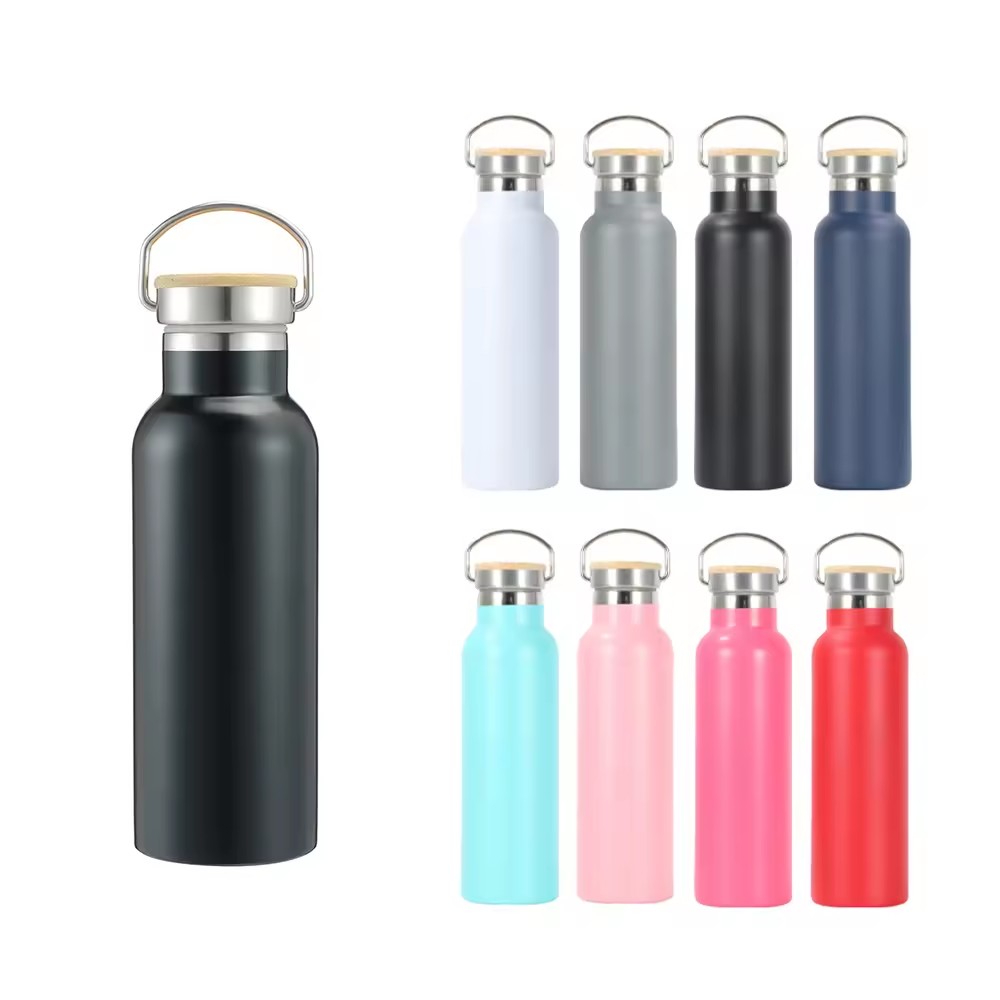
We have determined through our own testing that the optimal wall thickness for a 500ml stainless steel water bottle is 0.8mm, which provides sufficient dent resistance for outdoor use while keeping the empty bottle weight below 200 grams. We have tested alternative thicknesses of 0.6mm (which dents too easily from drop impacts) and 1.0mm (which adds unnecessary weight without proportional durability improvement) and concluded that 0.8mm is the best compromise for the outdoor recreation market. We apply a vacuum insulation layer between the inner and outer stainless steel walls in our insulated bottle models, which reduces heat transfer by approximately 95% compared to single-wall stainless steel bottles and allows our insulated bottles to maintain hot liquid temperatures for 12 hours or cold liquid temperatures for 24 hours.
We have found that the primary advantage of stainless steel water bottles is their exceptional durability and resistance to the physical stresses that outdoor use creates. We have drop-tested our stainless steel bottles from heights of 1.5 meters onto concrete surfaces and found that bottles with 0.8mm wall thickness and proper stress-relief geometry survive approximately 90% of such drops without functional damage. We have also found that stainless steel does not absorb flavors or odors from contents (unlike some plastics) and does not leach chemicals into contents (unlike some lower-quality aluminum bottles with inadequate internal coating). These material properties make stainless steel the most versatile water bottle material for the widest range of contents and usage conditions.
The Material Science of Aluminum Water Bottles
We at SUNSUM produce aluminum water bottles using 6061 aluminum alloy with an internal food-grade epoxy or polyamide-imide coating that prevents direct contact between the aluminum and the contents. We have found that bare aluminum reacts with acidic contents in ways that affect both the taste of the contents and the structural integrity of the bottle over time, which is why the internal coating is essential for aluminum water bottle food contact applications. We have tested multiple internal coating materials and have found that the food-grade epoxy coatings used by most major aluminum water bottle manufacturers provide adequate food contact safety and durability when properly applied, though the coating can chip or wear over time if the bottle is subjected to unusual physical stress.
We have found that the primary advantage of aluminum water bottles compared to stainless steel is their lower material density, which allows aluminum bottles to achieve the same structural strength as stainless steel bottles at approximately 40% lower weight. A 500ml aluminum water bottle with equivalent drop-test performance to our 0.8mm stainless steel bottle weighs approximately 120 grams compared to 195 grams for the stainless steel version, which is a significant difference for hiking and backpacking applications where every gram of carried weight matters. We have also found that aluminum has approximately three times the thermal conductivity of stainless steel, which means aluminum bottles (without vacuum insulation) cool down or warm up to contents temperature significantly faster than stainless steel bottles.
We have found that the primary disadvantage of aluminum water bottles is the long-term durability concern created by the internal coating. We have collected field data from our aluminum bottle customers who have used the bottles for more than two years, and approximately 15% report visible coating wear or chipping by the end of the second year of heavy use. Once the internal coating is compromised, the aluminum beneath it begins to react with contents, which affects taste and eventually compromises the structural integrity of the bottle. We inform all our aluminum bottle customers of this limitation and recommend that they replace aluminum bottles that show signs of internal coating wear, and we offer a coating inspection service for commercial customers who want to verify coating integrity before returning bottles to service.
The Material Science of Glass Water Bottles
We at SUNSUM produce glass water bottles using borosilicate glass, which we have selected over soda-lime glass because borosilicate glass has significantly better thermal shock resistance and is less likely to crack when exposed to sudden temperature changes. We have found that borosilicate glass water bottles are the preferred choice for consumers who are most concerned about chemical leaching from plastic bottles and who want the most chemically inert water bottle option available. Glass does not react with any contents, does not absorb flavors or odors, and does not leach any chemicals into contents regardless of what the contents are or how long they have been stored in the bottle.
We have found that the primary disadvantage of glass water bottles is their fragility in outdoor use environments. We have conducted drop testing on our borosilicate glass water bottles and found that even the reinforced borosilicate glass we use cracks or shatters from drops onto hard surfaces from heights as low as 0.5 meters in approximately 30% of such impacts. We have addressed this fragility concern by developing a silicone sleeve and protective cap system that absorbs impact energy and reduces the effective drop height experienced by the glass bottle inside, which increases the survival rate from 0.5-meter drops to approximately 85%. We recommend the silicone sleeve for all outdoor use applications and include it as standard with our outdoor-directed glass bottle models.
We have also found that glass water bottles are significantly heavier than both stainless steel and aluminum alternatives for equivalent volume capacities. A 500ml borosilicate glass water bottle with protective sleeve weighs approximately 350 grams compared to 195 grams for our equivalent stainless steel bottle, which is nearly double the carried weight. We do not recommend glass water bottles for hiking, climbing, or other weight-sensitive outdoor activities, but we do recommend them strongly for office, gym, and casual use where the chemical inertness and flavor purity advantages of glass outweigh the weight and fragility disadvantages.
Frequently Asked Questions About Stainless Steel Water Bottles from SUNSUM
We are an outdoor equipment retailer sourcing stainless steel water bottles — what wall thickness and steel grade does SUNSUM use?
We at SUNSUM use 18/8 stainless steel (304 stainless steel with 18% chromium and 8% nickel) with a wall thickness of 0.8mm for our standard 500ml and 750ml water bottles. We selected 0.8mm wall thickness after testing 0.6mm and 1.0mm alternatives and finding that 0.6mm dents too easily and 1.0mm adds unnecessary weight. We use only 304 stainless steel and do not use 200-series alloys that some lower-cost manufacturers use, because the manganese content of 200-series alloys raises food contact safety concerns. Our 500ml stainless steel bottle weighs approximately 195 grams empty and passes drop tests from 1.5 meters onto concrete.
What powder coating options does SUNSUM offer for stainless steel water bottle OEM orders?
We at SUNSUM offer powder coating in the full Pantone color range with a minimum order quantity of 500 units per color. Our automated powder coating equipment applies consistent, durable finishes across standard and custom colors without the setup cost premiums that small-batch custom color orders typically incur. The powder coating adhesion passes the ISO 2409 cross-cut tape test at approximately 8 Newtons per centimeter. We offer matte, gloss, and textured powder coating finishes, and we can match specific brand colors from physical color standards or digital color references provided by our OEM customers.
We are a European outdoor brand evaluating Chinese stainless steel water bottle manufacturers — what food contact certifications does SUNSUM hold?
We at SUNSUM hold LFGB food contact certification for the European market, FDA food contact certification for the US market, and GB 4806 food contact certification for the Chinese domestic market. We provide complete food contact test reports and certificates for all three regulatory frameworks with every export shipment. We can provide the documentation package for review before order confirmation, and we have the test reports available in electronic format for rapid distribution to quality assurance teams and regulatory compliance departments.
How to Choose the Right Water Bottle Material for Your Market
We at SUNSUM have summarized our material comparison in a simple framework that we share with every buyer who asks us for a material recommendation. Choose stainless steel if your customers use the bottle for outdoor activities, require maximum durability and chemical safety, and can accept a slightly higher product weight. Choose aluminum if your customers prioritize minimum weight and fast thermal equilibration and can accept the long-term durability limitation of the internal coating. Choose glass if your customers prioritize chemical inertness and flavor purity above all other considerations and primarily use the bottle in controlled environments where fragility and weight are not critical constraints.
We at SUNSUM are happy to supply any of the three material types and we maintain production capability for stainless steel, aluminum, and glass water bottles specifically so that we can provide objective material recommendations to our buyers without favoring one material for manufacturing efficiency reasons. Contact our international sales team through our product catalog, browse our stainless steel water bottle range, or contact us directly to discuss your specific market requirements and product specification needs. The FDA food contact material regulations and ISO 9001 quality management standards provide the regulatory framework that international buyers should reference when sourcing stainless steel water bottles for food and beverage contact applications. The WHO water, sanitation and hygiene guidelines provide public health context for stainless steel water bottle use in outdoor and travel environments.
Post time: Jul-09-2026