
An outdoor retailer buyer in Melbourne asked me last spring why her aluminium water bottle sales had started to shift toward stainless steel. She stocked both materials, but customers were increasingly choosing stainless steel for its durability reputation, even at the same price point. Her aluminium bottle margin was eroding as customers perceived stainless steel as the more durable choice.
We worked through the product specification for her next order. Her existing aluminium bottles were using standard food-grade aluminum with basic painted finish—good enough for logo printing but not durable enough to withstand the kind of treatment an Australian outdoor enthusiast subjects their water bottle to. We specified aerospace-grade 6061 aluminium alloy with a hard-anodized interior and powder-coated exterior. The bottles weighed the same as before but the new specification was dramatically more durable in drop tests and scratch resistance. The return rate dropped from 4% to under 1% in the first year. Repeat purchase rates improved because customers who bought the upgraded bottles came back for replacement lids, caps, and accessories.
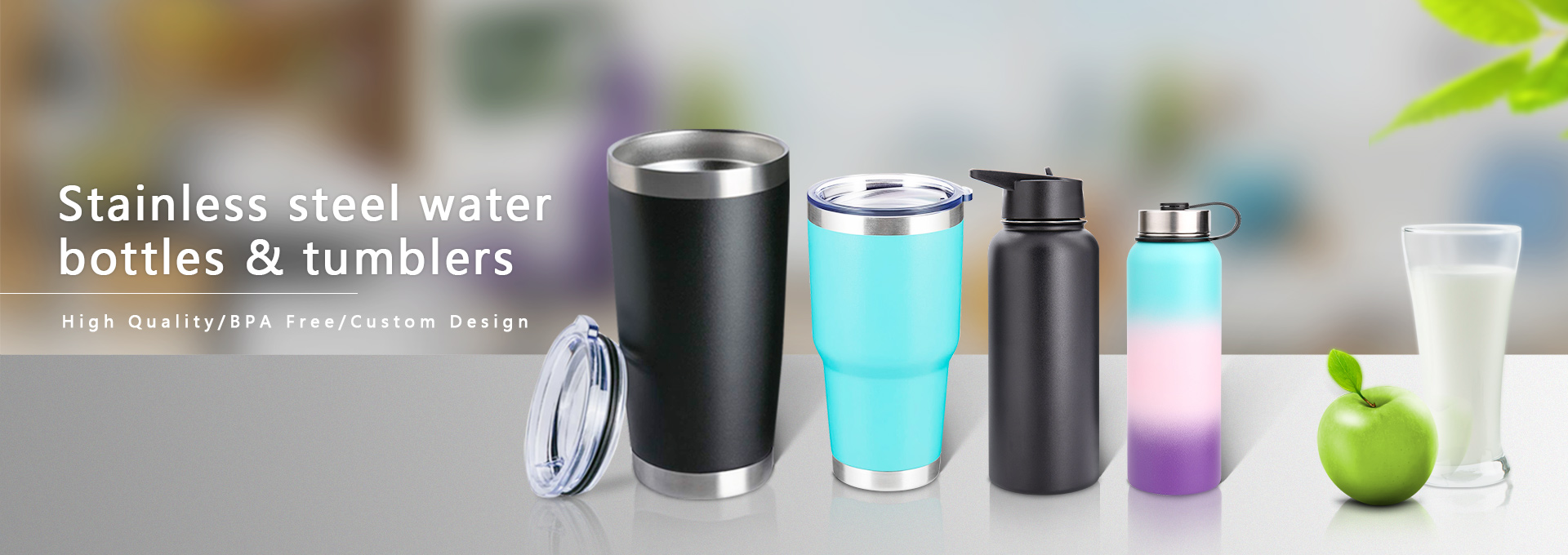
Aluminium vs. Stainless Steel: Understanding the Australian Consumer Preference
Australian outdoor consumers are technically engaged and increasingly sustainability-focused. The aluminium versus stainless steel comparison comes up frequently in outdoor retail conversations. The materials have genuinely different performance characteristics that make each suitable for different use profiles:
Where Aluminium Excels
- Weight: Aluminium water bottles are approximately 40% lighter than equivalent stainless steel bottles. For hiking, trail running, and cycling where every gram matters, this is a decisive advantage.
- Thermal conductivity: Aluminium bottles can be filled with cold water and chilled rapidly in a fridge or stream—useful for hot-weather outdoor activity in Australian conditions.
- Form factor: Aluminium allows slimmer wall thicknesses and therefore more ergonomic grip profiles than stainless steel at equivalent weight.
- Thermal properties: Aluminium bottles can be used as effective cold water pre-chillers when filled and placed in freezer overnight.
Where Stainless Steel Excels
- Impact durability: Stainless steel bottles are more dent-resistant and can withstand harder impacts without permanent deformation. For climbing or water sports where the bottle may contact rocks or hard surfaces, this matters.
- Scratch resistance: Stainless steel interior surfaces (particularly 304-grade stainless) are more resistant to internal scratching and will not wear through the interior coating over time the way aluminium bottles with internal coatings can.
- Insulation: Double-wall vacuum-insulated stainless steel bottles significantly outperform aluminium in thermal retention—both hot and cold—though at higher price points.
The market is not choosing one material over the other—it is buying both for different applications. For outdoor active consumers who prioritise weight and portability, aluminium is the preferred choice. For everyday carry and general outdoor use where durability matters more than weight, stainless steel grows in preference.
Aluminium Water Bottle Specifications for Australian Outdoor Brands
Material: 6061 vs. 3003 Aluminium
The alloy designation matters. 6061 aerospace-grade aluminium offers approximately 40% better strength-to-weight ratio than standard 3003 food-grade aluminium, allowing thinner wall construction without compromising durability. For premium outdoor positioning, specify 6061-T6 temper aluminium alloy with minimum 1.2 mm wall thickness.
Interior Lining: BPA-Free Food Safety
All aluminium water bottles require an interior coating to prevent direct contact between the aluminium and the liquid contents. Polyamide-imide (PAI) or epoxy-based food-safe linings are standard. All lining materials used in Australian market bottles must comply with Australian Consumer Law food contact material requirements. Specify BPA-free certification from the manufacturer for all bottles sold in Australia.
Exterior Finish: Powder-Coat Durability
Powder-coat finishing provides a durable, scratch-resistant outer surface that is also customizable for brand colour and logo application. Key specifications:
- Powder-coat thickness: Minimum 60 microns for adequate scratch resistance and colour durability
- UV stability: UV-stable powder-coat formulations prevent fading in Australian sun exposure
- Colour options: Pantone-matched custom colours available from most manufacturers for 300+ piece orders
• Capacity: 500ml (hiking/cycling), 600–750ml (general outdoor), 1,000ml (day hiking)
• Interior: BPA-free food-safe lining, PA or epoxy, compliant with Australian FSANZ food contact standards
• Exterior: Powder-coat finish, minimum 60-micron thickness, UV-stable formulation
• Cap options: Sport cap (push-pull), screw cap, carabiner lid, straw lid
• Drop test: Minimum 1.5-meter drop onto concrete without cracking or liner delamination
• Leak test: No leakage at 0.3 bar internal pressure after 24-hour sealed test
The OEM/ODM Manufacturing Process for Custom Aluminium Bottles
Chinese manufacturers like Sunsum operate both catalog production (standard bottles with logo printing) and full OEM/ODM programs for brands requiring custom specifications or exclusive tooling.
Logo Printing Methods
- Screen printing: Most common for single-colour logos on bottle bodies. Cost-effective for runs of 300+ units. Typically 1–4 colours.
- Laser engraving: Permanent, won’t fade or wear off. Suitable for fine detail and small text. Higher tooling setup cost but lower per-unit cost for large runs.
- Transfer printing: For complex multi-colour designs or photographic imagery. Higher cost but allows full-colour branding.
- Powder-coat over-logo: Brand logo is applied as a separate colour powder during the curing process—produces a durable, raised-texture logo that is part of the coat itself.
Custom Cap and Lid Options
Australian brands frequently specify custom cap colours and configurations to match brand identity. Standard lid types include: sport caps (push-pull bite valve), screw-top caps (for hot beverages), flip-top caps, carabiner lids, and straw lids. Custom colour matching for caps typically requires 500+ piece MOQ.
Explore Sunsum Aluminium Water Bottle Products
- Kids Water Bottles — View Sunsum’s range of BPA-free aluminium water bottles for children and youth outdoor use
- All Products — View Sunsum’s complete range of aluminium drinkware, tumblers, and sports bottles
Food Safety Standards and Australian Import Requirements for Aluminium Beverage Containers
The Australian market for reusable water bottles is driven by outdoor recreation, sports, and environmental consciousness — with the country’s strong hiking, camping, and fitness culture creating year-round demand. Food contact material safety is governed by the Australian Food Standards Code, which requires that all reusable beverage containers meet specific migration limits for aluminium and interior coating components.
Aluminium water bottles intended for food contact must be manufactured from food-grade aluminium alloy conforming to ISO 209 standards. The interior lining (if any) must be epoxy or polyester-based coating certified as BPA-free and compliant with EU Commission Regulation 10/2011 or equivalent Australian standards. Sunsum China supplies aluminium water bottles with food-safe interior coating, BPA-free powder-coating exteriors, and leak-proof polypropylene lids in 500ml to 1L capacities.
Powder-coated exterior finishes must meet relevant heavy metal migration limits under the Australian Food Standards Code. Custom colour options using Pantone-matched powder coating require material safety data sheets (MSDS) and REACH compliance documentation for EU-market export configurations. The Sunsum China OEM/ODM catalog includes full food safety documentation package for Australian retail and wholesale distributor import requirements.
Source Aluminium Water Bottles from Sunsum China
Sunsum China is a professional manufacturer of custom aluminium water bottles, insulated tumblers, sports bottles, and drinkware. Expert in OEM/ODM custom manufacturing—from logo printing to full custom colour and specification programs. Products are BPA-free and comply with international food safety standards. Sunsum supplies outdoor brands, sports retailers, and promotional product companies across Australia, Europe, and North America.
Industry References: Australian Food Standards Code | ISO 210 Food Grade Aluminum Standards | Aluminium Federation of Australia | Australian Sustainability Council | BSI Product Certification | SAE International.
Custom Branding, Retail Packaging, and Import Documentation for Australian Beverage Container Distributors
Australian retail chains and specialty outdoor equipment stores increasingly require custom branding on aluminium water bottles — from screen-printed logos to full CMYK digital printing that matches brand guidelines with photographic accuracy. Chinese manufacturers like Sunsum China have invested in UV digital printing lines that produce photorealistic images on curved aluminium bottle surfaces without colour matching fees previously associated with traditional pad printing.
Retail packaging requirements for Australian market include: barcode labels (EAN-13 or UPC-A format compliant with GS1 Australia standards), bilingual English/Mandarin or English/Arabic content for tourist market packaging, and recycled content certification for environmentally focused brands. Individual bottle polybag labelling must comply with Australian Consumer Law requirements for country of origin marking — “Made in China” designation with adequate spacing and font size specifications.
Sunsum China’s minimum order for custom logo printing starts at 500 units per design, with tooling fees for custom mould creation (for unique bottle shapes) ranging from USD 3,000-8,000 depending on complexity. The Sunsum China OEM/ODM aluminum bottle catalog includes standard colours (12 options), custom Pantone-matched colours, and engraving options for premium hospitality market positioning.
Australian Outdoor Retail Market Analysis, Consumer Segments, and Product Assortment Strategy for Drinkware Distributors
The Australian reusable water bottle market segments into distinct consumer groups with different product preferences and price sensitivity. Outdoor recreation enthusiasts (hikers, campers, cyclists) prioritize durability and insulation performance — stainless steel vacuum insulated bottles (500ml-1L) dominate this segment at AUD 35-80 retail. Everyday urban users prefer lightweight aluminium bottles (300ml-600ml) at AUD 20-40, while the premium fitness segment (AUD 50-120) focuses on smart features like temperature display and built-in filtration.
For Australian distributors sourcing aluminium water bottles from China, the key competitive differentiation factors are: food safety certification documentation (BPA-free, LFGB, or FDA compliant), colour consistency across batches (critical for retail display merchandising), and packaging that survives the retail shelf environment without damage or colour fading from UV exposure in store windows.
Sunsum China specializes in aluminium water bottle manufacturing with full food safety documentation packages, Pantone colour matching, and custom packaging design services for Australian retail requirements. The Sunsum OEM/ODM catalog includes 18 standard colours, custom printing options (screen, pad, heat transfer, sublimation), and eco-friendly packaging materials that meet Australian retail standards. Lead time from artwork approval to shipment is typically 35-45 days for custom orders.
Australian Beverage Container Market Size, Consumer Trends, and Premium Positioning Strategy for Custom Aluminium Bottle Brands
The Australian reusable water bottle market is valued at approximately AUD 180-220 million annually, with aluminium bottles representing approximately 25% of unit sales but 35% of value — indicating higher average selling prices and premium consumer positioning compared to plastic alternatives. The fastest-growing segment is insulated stainless steel bottles (15% annual growth), with aluminium single-wall bottles growing at 5-8% annually driven by lightweight outdoor use cases and school lunchbox applications.
For Australian distributors developing custom-branded aluminium water bottle lines, key product development considerations include: BPA-free interior lining (mandatory for Australian retail), dishwasher-safe powder coating durability (minimum 200-cycle domestic dishwasher testing recommended), and lid mechanism reliability (leak-proof testing for school-age children product lines). Australian Consumer Law requires that all environmental claims (BPA-free, recyclable, recycled content) be substantiated with documented evidence — vague green marketing without technical backing creates legal liability.
Sunsum China’s Australian market experience includes supply to major outdoor recreation retailers and school equipment suppliers, with products tested to Australian standards for food contact safety and product durability. The Sunsum China export team provides: full Australian compliance documentation packages, product testing coordination with Australian NATA-accredited laboratories, and marketing asset preparation including lifestyle photography and retail display materials.
Australian outdoor recreation is a year-round activity in most regions, with different product需求 profiles by season. Summer (December-February) drives demand for insulated bottles that keep water cold for 6-12 hours, while the Australian ski season (June-August) creates a secondary demand for bottles that can carry hot beverages. Distributors should plan inventory accordingly: mainstream single-wall aluminium bottles peak in spring (August-September) for pre-summer stocking, while insulated stainless steel products see demand spikes in April-May ahead of ski season preparation.
The aluminium water bottle supply chain from China to Australian ports involves: manufacturing (25-35 days for standard orders, 40-55 days for custom Pantone colours), consolidated loading at Ningbo or Shanghai port, sea freight transit of 18-22 days to Australian ports (Sydney, Melbourne, Brisbane, Perth), and customs clearance plus quarantine inspection (2-5 working days for food contact products). Total lead time from order confirmation to warehouse receipt is typically 55-75 days — requiring forward planning to align with seasonal retail demand peaks.
Sunsum China supplies Australian distributors with aluminium water bottles in standard and custom configurations, including full food safety documentation, Australian compliant packaging, and RCM testing coordination for products with electrical components (such as heated Insulated bottles). The company’s export team provides consolidated shipping coordination and customs documentation packages optimized for Australian import requirements.
Australian school and corporate promotional products market represents a distinct channel for aluminium water bottle distributors, with different product specifications and order patterns from retail. School promotional orders typically peak in October-November (for academic year beginning in January), requiring delivery by December. Corporate merchandise orders follow fiscal year patterns, with Q3 and Q4 orders dominating as companies finalize annual marketing budgets. Sunsum China has supplied aluminium bottles for Australian school and corporate programs with screen-printed logos, with minimum orders of 200 units per design for standard products and 500 units for custom mould shapes.
The Australian promotional products market is served by distributors who require just-in-time delivery coordination, custom branding on each unit, and individual gift-box packaging for presentation purposes. Sunsum provides: mock-up generation within 3 working days of artwork receipt, pre-production samples for approval before bulk run, and individual polybag or gift-box packaging as specified. Contact Sunsum’s promotional products team for Australian distributor pricing and artwork specification requirements.
Sunsum China holds ISO 9001 quality management certification and provides full food safety documentation packages for all aluminium water bottle products. Request a wholesale quotation including Australian market pricing and delivery lead times.
Frequently Asked Questions: Sourcing Aluminium Water Bottles for Australian Outdoor Retail
About the Author
Claire — Daily consumer goods specialist at Sunsum China, a professional manufacturer of custom aluminum water bottles, insulated tumblers, sports bottles, and drinkware. Expert in OEM/ODM custom manufacturing—from logo printing to color customization—helping global brands and retailers source premium, BPA-free drinkware with confidence. Dedicated to delivering functional, stylish products at competitive factory-direct pricing.
Pinterest: Sunsum China
Post time: Jun-24-2026